
Expert Picks Of Top Products For Door Hole Restoration
Find out which products professionals recommend for repairing door holes efficiently and reliably in various door types.
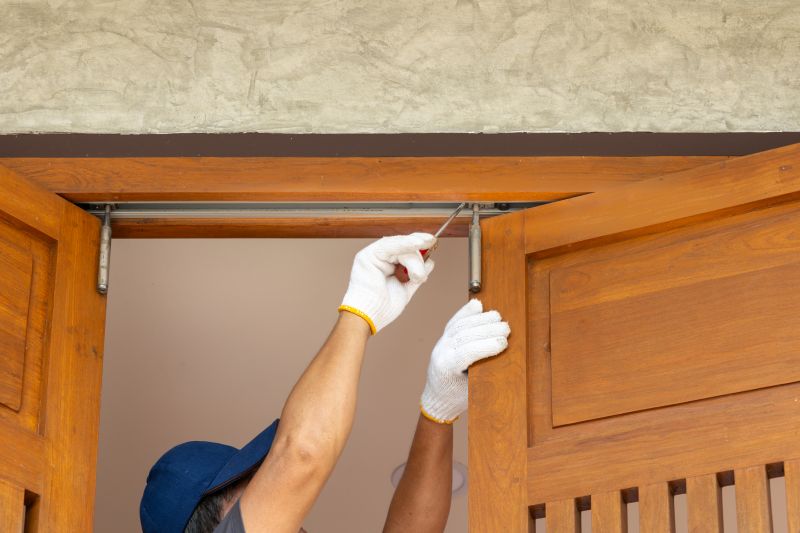 When it comes to repairing holes in doors, selecting the right products can make the process more efficient and effective. Door holes can result from various causes such as accidental impacts, wear and tear, or modifications. Addressing these issues promptly helps maintain the integrity, appearance, and security of your doors. Repair solutions vary depending on the size and material of the door, as well as the extent of the damage. From small pinholes to larger openings, there are specialized products designed to restore the door's surface seamlessly.
Top Overall Option
Multi-Purpose Door Repair Kit
A versatile repair kit designed for multiple door materials and damage sizes, it includes fillers, patches, sanding tools, and finishing compounds. This comprehensive set allows for easy repairs of various door holes and imperfections, providing a seamless finish. Its all-in-one nature makes it suitable for DIYers seeking a reliable solution for common door repairs.
Types of Products For Door Hole Repairs
Wood Filler
Specialized for repairing holes and scratches in wooden doors, providing a smooth surface ready for finishing.
Metal Patch Kits
Designed for repairing holes in metal doors, these kits often include adhesive patches and fillers suitable for metal surfaces.
Hollow Door Repair Patches
Flexible patches made for hollow-core doors to reinforce and conceal larger holes.
Epoxy Putty
A durable, moldable compound that bonds well to various materials, ideal for filling larger or irregular holes.
Spray Foam Insulation
Useful for filling larger gaps or holes in hollow doors, providing insulation and structural support.
Self-Adhesive Repair Patches
Pre-cut patches with adhesive backing for quick coverage of small to medium holes.
Sandable Primer and Paint
Products used after filling to prepare the repaired area for painting or staining.
Fiberglass Repair Kits
Suitable for repairing larger holes, especially in fiberglass or composite doors, providing strength and durability.
Rubber or Vinyl Patches
Flexible patches ideal for doors with vinyl surfaces or flexible materials.
Contact Cement or Adhesives
Used to secure patches or reinforcements onto damaged areas for a long-lasting bond.
Acoustic or Soundproof Patches
Designed to restore soundproofing properties while repairing holes in doors.
Heat-Activated Repair Films
Films that adhere to door surfaces when heated, useful for quick fixes and minimal invasiveness.
Popular Choices
A versatile putty suitable for various materials, easy to mold and sand after curing.
Convenient patches for quick fixes on small to medium holes, requiring minimal preparation.
Popular for repairing wooden doors, providing a smooth surface for finishing.
Widely used for its strong bonding capabilities and durability across different door types.
Effective for filling large gaps or holes in hollow doors quickly and efficiently.
Commonly chosen for larger repairs, especially in fiberglass or composite doors.
Popular for finishing repairs with a seamless look matching the existing door surface.
Preferred for repairing vinyl or flexible door surfaces, providing a durable finish.
Trusted for securing patches and reinforcements securely onto damaged areas.
Chosen for restoring soundproof qualities while fixing holes in doors.
Understanding the different options available can help you choose the most suitable repair method. For minor holes or scratches, patching compounds and fillers are often sufficient. For larger or more complex damage, reinforcement patches or even replacement sections might be necessary. It is important to consider the door's material—whether wood, metal, or hollow-core—since this influences the choice of repair products and techniques. Proper preparation, including cleaning and sanding, ensures better adhesion and a smoother finish.
The repair process typically involves filling or patching the hole, sanding the surface to blend the repair with the surrounding area, and then finishing with paint or stain to match the existing door. Using high-quality repair products can help achieve a more durable and aesthetically pleasing result. Additionally, some repair kits include tools and instructions to simplify the process, making it accessible even for DIY enthusiasts. Regular maintenance and timely repairs can extend the lifespan of your doors and prevent further damage.
Whether you're fixing a small pinhole or a larger hole, there are numerous products designed specifically for door hole repairs. Selecting the right product depends on the type of door, the size of the damage, and your comfort level with DIY repairs. Properly addressing door holes not only improves appearance but also helps maintain security and insulation. With the right tools and materials, repairing door holes can be a straightforward task that restores your door's function and looks.
Key Buying Considerations
- Material compatibility: Ensure the repair product is suitable for your door's material, whether wood, metal, or composite.
- Size of damage: Match the repair product to the size and depth of the hole or damage for effective results.
- Ease of application: Consider whether the product is suitable for your skill level and available tools.
- Finish requirements: Decide if you need a product that can be sanded, painted, or stained to match existing decor.
- Durability: Look for products that offer long-lasting repairs suitable for your door's environment.
- Drying and curing time: Check how long the product takes to set or cure before further finishing steps.
- Flexibility: For doors that experience movement or flexing, choose flexible repair options.
- Aesthetic outcome: Consider if the repair will be visible and choose products that blend well with the door surface.
- Cost-effectiveness: Balance quality and price to find a solution that fits your budget.
- Availability: Select products that are readily available for quick repairs when needed.
- Environmental conditions: If the door is exposed to moisture or temperature changes, select appropriate waterproof or weather-resistant products.
- Tools required: Determine if additional tools or equipment are needed for application.
- Safety considerations: Use products with minimal fumes or hazards, especially for indoor repairs.
- Compatibility with existing finishes: Ensure the repair products can adhere well to the current paint or stain.
This page contains affiliate links. We may earn a commission if you purchase through these links, which helps support our content creation.